


Back Pain
A structured treatment programme combining manual therapy, graded exercise and education to help you move more comfortably and reduce recurrence.
Treatment approaches for a wide range of movement, nerve and rehabilitation concerns — each delivered through a structured, assessment-led plan built around your goals.
Overview
Every treatment at Dr. Shehenaz Physio begins with a detailed assessment — understanding your history, symptoms, movement patterns and goals. Only then is a treatment approach selected, discussed with you, and delivered in a way that matches your condition and comfort.
Physiotherapy treatment may combine hands-on techniques, guided exercise, education and load management. The pages below explain what each treatment involves, how it is typically delivered, and what to expect during a course of care — so you can arrive at your consultation informed and prepared.
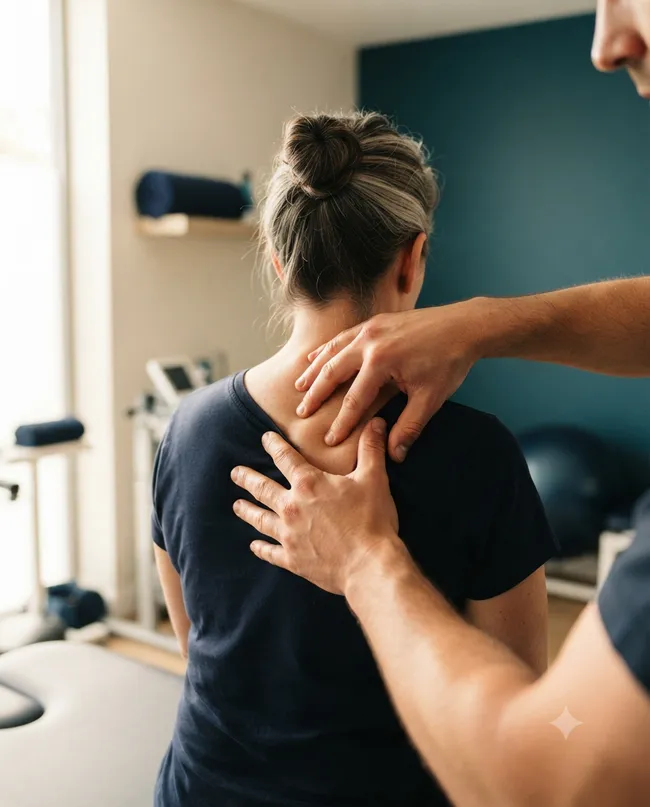
Physiotherapy treatment approaches for a wide range of movement, nerve and rehabilitation concerns. Select a treatment to learn more about what it involves, how it is delivered, and what you can expect during a course of care. Physiotherapy is not a substitute for medical diagnosis — if you have severe, sudden or unexplained symptoms, please consult your doctor first.
A structured treatment programme combining manual therapy, graded exercise and education to help you move more comfortably and reduce recurrence.

Treatment typically includes posture correction, manual therapy, mobility work and targeted strengthening to relieve neck pain and prevent recurrence.

From rotator-cuff rehabilitation to stiffness release, treatment is tailored to restore shoulder range, strength and function.
Treatment focuses on strengthening, alignment and functional retraining to reduce knee pain and improve day-to-day movement.

A combined approach of mobility work, strengthening and joint protection strategies to reduce pain and preserve function.
Treatment combines manual techniques, mobility exercises and graded movement to restore flexibility and reduce persistent stiffness.
Where crepitus is linked to movement or loading, treatment focuses on joint control, muscle balance and safe movement patterns.

Treatment supports safe, gradual recovery from inflammation through load management, mobility and a staged return to activity.
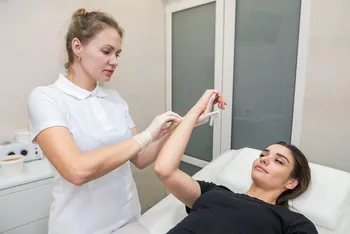
Rehabilitation focuses on restoring strength, control and confidence so you can return to activity with reduced re-injury risk.
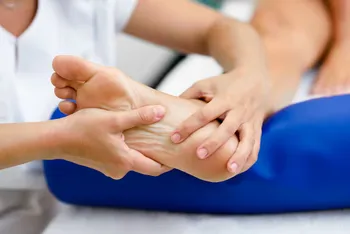
Treatment addresses load, mobility and strength through the foot and ankle to improve walking comfort and daily function.

Where headaches are linked to neck posture or muscle tension, treatment combines manual therapy, mobility and postural retraining.
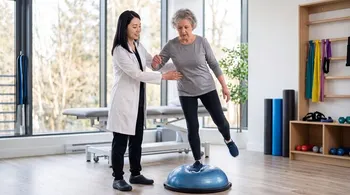
Balance training combines strength, proprioception and functional practice to improve stability and reduce fall risk.

Physiotherapy treatment supports coordination, movement strategies and functional confidence as part of a broader care plan.

Treatment focuses on coordination, balance and functional mobility through individualised, goal-led rehabilitation.
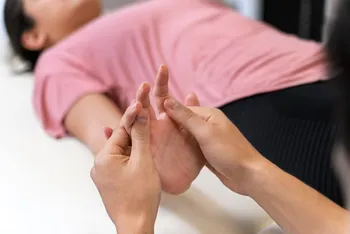
Where symptoms relate to nerve or movement issues, treatment focuses on mobility, nerve gliding and functional retraining.

Breathing retraining and graded activity help improve breathing efficiency and tolerance for daily tasks.

Treatment combines nerve mobilisation, load management and graded strengthening to reduce nerve-root irritation and restore function.

Treatment focuses on neck mobility, nerve gliding and postural control to ease arm symptoms and restore function.
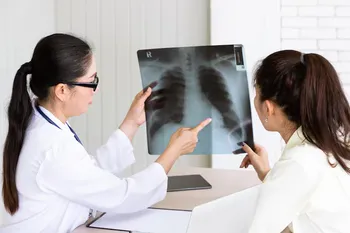
Treatment addresses thoracic mobility, postural loading and nerve irritation through a graded, individualised programme.

A graded programme of nerve mobilisation, core control and strengthening to reduce leg symptoms and improve function.
Treatment supports sensation, balance and safe movement through strength work, proprioception and functional retraining.
A graded rehabilitation programme addressing balance, strength and functional confidence across multiple nerve areas.

Rehabilitation focuses on balance, strength and functional safety as part of your broader oncology care plan.
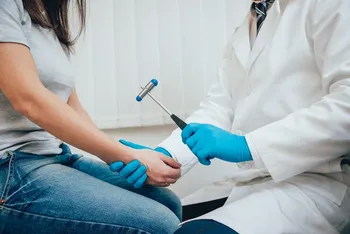
Treatment focuses on nerve mobility, load management and functional retraining for the affected nerve territory.

Treatment addresses nerve compression through positioning, mobility and graded loading to support recovery.
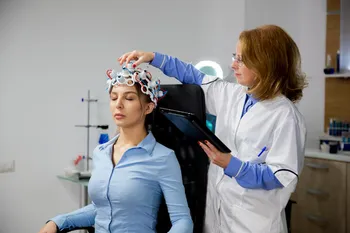
Treatment combines nerve gliding, soft-tissue work and movement retraining to reduce entrapment-related symptoms.
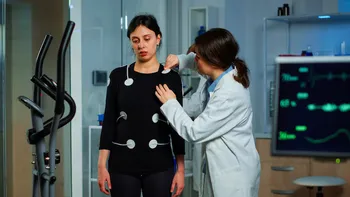
Physiotherapy supports balance, conditioning and functional safety as part of a broader multidisciplinary plan.
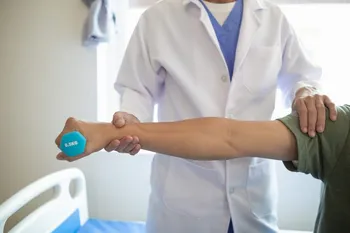
Treatment focuses on ulnar nerve mobility, elbow positioning and graded strengthening to reduce symptoms.
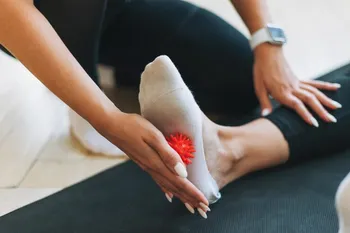
Treatment addresses ankle mobility, nerve gliding and foot load to ease tarsal tunnel symptoms.

Treatment combines postural retraining, nerve mobility and shoulder control to reduce TOS symptoms.

Physiotherapy may support facial movement and function as part of a broader multidisciplinary pain plan.
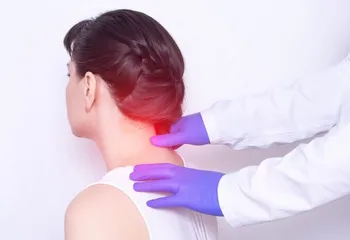
Treatment addresses neck mobility, posture and nerve sensitivity through a graded, individualised approach.

Treatment supports graded movement, desensitisation and functional confidence after shingles-related nerve pain.
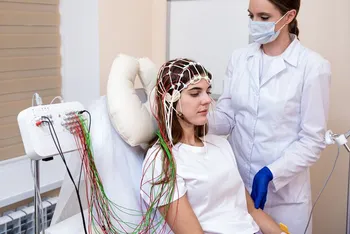
Physiotherapy may support functional rehabilitation and safe movement as part of specialist-led care.

Treatment uses graded movement, desensitisation and functional retraining as part of a multidisciplinary plan.

Rehabilitation addresses balance, coordination and functional mobility at a pace tailored to your recovery.

Physiotherapy supports movement, balance and functional recovery following meningitis as part of a broader care plan.
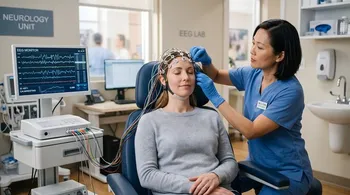
Rehabilitation focuses on coordination, balance and functional mobility, tailored to your recovery stage.

A graded rehabilitation programme to rebuild strength, mobility and functional independence after GBS.

Treatment supports strength, movement efficiency and daily function through individualised exercise programming.
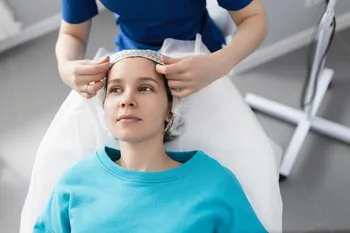
Physiotherapy may support functional recovery and movement retraining as part of a broader neurological care plan.
A physiotherapy assessment is the best way to understand what is contributing to your symptoms and which treatment approach is most appropriate. If your symptoms are severe, sudden or unexplained, please consult your doctor first.