


Back Pain
Persistent or recurring back pain can affect sleep, work and daily movement. Assessment helps identify contributing factors and guide a graded recovery plan.
Physiotherapy assessment and support for a wide range of movement-related conditions — from back and neck pain to joint stiffness, sports injuries and balance concerns.
Overview
Pain, stiffness, weakness and reduced balance rarely have a single cause. A physiotherapy assessment looks at the whole picture — your history, posture, movement patterns, strength and daily function — so that any plan is built on a clear understanding of what is limiting you, rather than a one-size-fits-all label.
Dr. Shehenaz works with a wide range of conditions across musculoskeletal, sports, women's health, geriatric and neurological physiotherapy. Each condition page below explains common symptoms, how assessment works, and the kinds of treatment approaches that may be considered — so you can arrive at your consultation informed and prepared.

Physiotherapy assessment and support for a wide range of movement-related conditions. Select a condition to learn more about its symptoms, how assessment works and the treatment approaches that may be considered. Physiotherapy is not a substitute for medical diagnosis — if you have severe, sudden or unexplained symptoms, please consult your doctor first.
Persistent or recurring back pain can affect sleep, work and daily movement. Assessment helps identify contributing factors and guide a graded recovery plan.

A common concern that can affect sitting, standing and lifting. Physiotherapy supports recovery through movement, education and graded exercise.

Often linked to posture, desk work or strain — addressed with manual therapy, mobility work and strengthening.

From rotator-cuff-related discomfort to stiffness, shoulder pain benefits from targeted assessment and progressive exercise.

Knee pain can arise from injury, overuse or age-related changes; physiotherapy focuses on strength, alignment and function.

Joint pain may involve stiffness, swelling or reduced mobility — an assessment helps guide appropriate care.

Persistent stiffness can limit movement; physiotherapy combines mobility work, manual techniques and exercise.

Joint cracking or crepitus is common. An assessment helps determine whether it is related to movement or a concern that may benefit from physiotherapy.

Inflammation can accompany injury or overuse. Physiotherapy focuses on gradual recovery and restoring movement safely.

Common in active individuals; rehabilitation focuses on safe return to activity and reducing re-injury risk.

Foot pain can affect walking, balance and daily activity. Physiotherapy assessment helps identify contributing factors.

Balance concerns — especially in older adults — can be addressed through targeted balance and strength training.

Reduced foot or toe movement can affect walking and balance. An assessment helps identify contributing causes and next steps.

Tremors can affect movement and confidence. Physiotherapy may support function and coordination as part of a broader care plan.

Ataxia affects coordination and balance. Physiotherapy focuses on mobility, stability and functional confidence.

Movement, balance and coordination changes from neurological conditions can benefit from individualised rehabilitation.
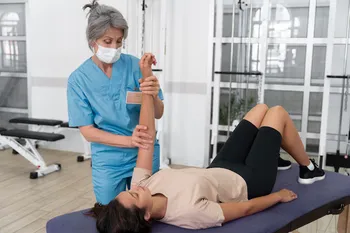
Physiotherapy supports movement recovery, balance and function after a stroke, at a pace that suits you.

Rehabilitation after spinal cord injury focuses on mobility, strength and functional independence.

Physiotherapy supports balance, coordination and daily function after a traumatic brain injury.

Recovery from meningitis can involve movement and balance changes; physiotherapy may support rehabilitation.

Rehabilitation after encephalitis can involve movement, balance and coordination support, tailored to you.

Rehabilitation after Guillain Barre Syndrome focuses on rebuilding strength and functional mobility.

Myopathy affects muscle function; physiotherapy may support strength, movement and daily function.
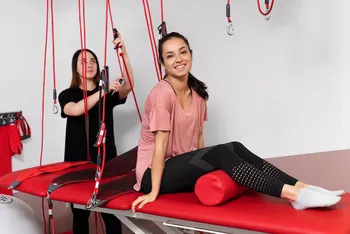
Facial weakness from Bells Palsy may benefit from movement and rehabilitation guidance as part of a broader plan.

Cranial neuropathy affects nerve function. Physiotherapy may support functional recovery as part of a broader care plan.
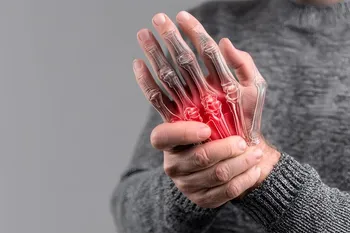
Mononeuropathy affects a single nerve. Physiotherapy may support movement and function as part of a broader plan.

Radiculopathy involves nerve-root irritation. Assessment helps guide a safe, individualised rehabilitation plan.

Cervical radiculopathy can cause neck and arm symptoms; assessment helps guide a graded approach to movement.

Thoracic radiculopathy can cause pain around the ribs or upper back; assessment helps guide appropriate care.

Lumbar radiculopathy can cause lower back and leg symptoms. Physiotherapy supports a graded, individualised approach.

Peripheral neuropathy can affect sensation and balance. Physiotherapy may support safe movement and function.

Diabetic neuropathy can affect sensation and balance. Physiotherapy may support safe mobility as part of a broader plan.

Neuropathy after chemotherapy can affect sensation, balance and function. Physiotherapy may support rehabilitation.

Compression neuropathy involves nerve pressure. Assessment helps guide an appropriate rehabilitation approach.
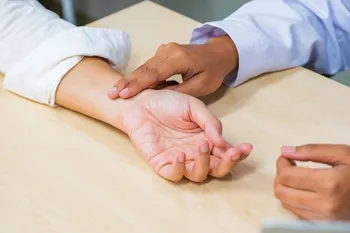
Entrapment neuropathy involves nerve compression. Physiotherapy may support movement and function as part of a broader plan.
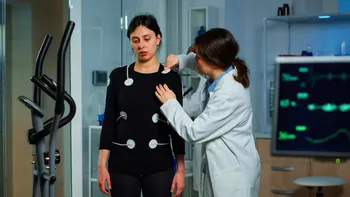
Autonomic neuropathy can affect balance and function. Physiotherapy may support safe movement as part of a broader plan.

Carpal tunnel syndrome can cause hand and wrist symptoms. Assessment helps guide appropriate next steps.

Tarsal tunnel syndrome can cause foot discomfort. Physiotherapy assessment helps guide appropriate care.

TOS can cause neck, shoulder and arm symptoms. Assessment helps guide an individualised approach.
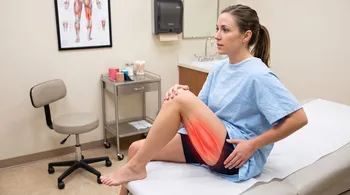
Meralgia paresthetica causes thigh discomfort. Physiotherapy assessment helps guide appropriate next steps.

Trigeminal neuralgia involves facial nerve pain. Physiotherapy may support movement and function as part of a broader plan.

Occipital neuralgia involves nerve-related head and neck pain. Assessment helps guide an appropriate approach.

Postherpetic neuralgia involves persistent nerve pain after shingles. Physiotherapy may support safe movement as part of a broader plan.

Traumatic optic neuropathy requires specialist care; physiotherapy may support functional rehabilitation as part of a broader plan.

CRPS involves persistent pain after injury. Physiotherapy may support graded movement and function as part of a broader plan.

Breathing difficulties can affect daily activity. Physiotherapy may support breathing efficiency as part of a broader plan.

Pulmonary rehabilitation supports breathing efficiency and daily function through graded exercise and education.

Burning feet can have several causes. Physiotherapy assessment helps guide appropriate next steps.

Persistent burning sensation may relate to nerve or movement concerns. Assessment helps guide appropriate care.

Some headaches are linked to neck posture and muscle tension — physiotherapy assessment may help identify if this applies to you.

When related to nerve or movement issues, physiotherapy assessment can help identify appropriate next steps.
An individual physiotherapy assessment is the best way to understand what is contributing to your symptoms and whether physiotherapy is appropriate. If your symptoms are severe, sudden or unexplained, please consult your doctor first.